Understanding Lotus Birth:
History, Culture, and Evidence-Based Perspectives
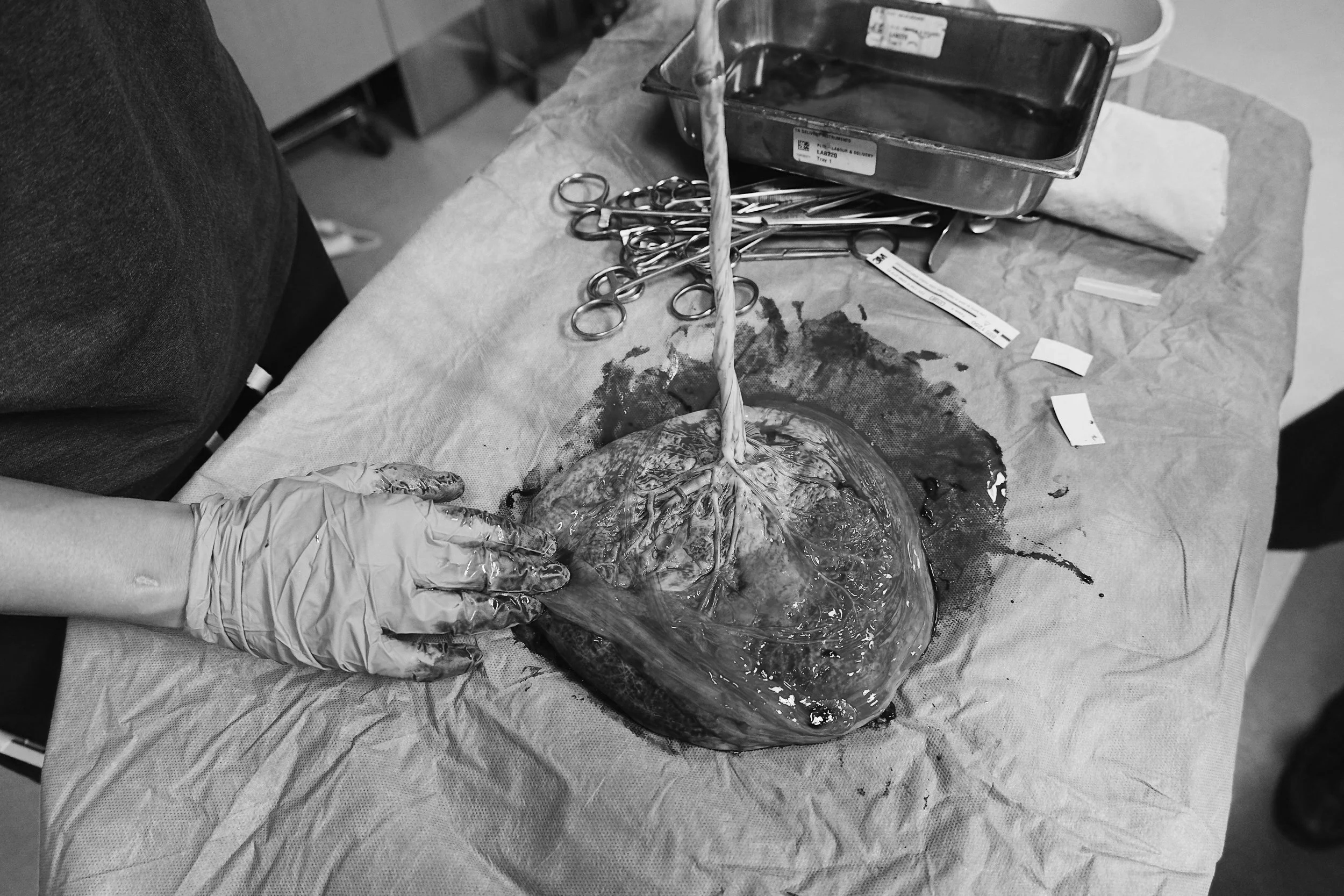

For expectant parents across the Greater Toronto Area (GTA) and Ontario, crafting an intentional, mindful birth plan involves looking at choices through both a modern scientific lens and a deeply spiritual one. As a certified childbirth educator and birth companion passionate about informed consent, I want to explore one of the most serene and ancient physiological practices: Lotus Birth (Umbilical Cord Non-Severance).
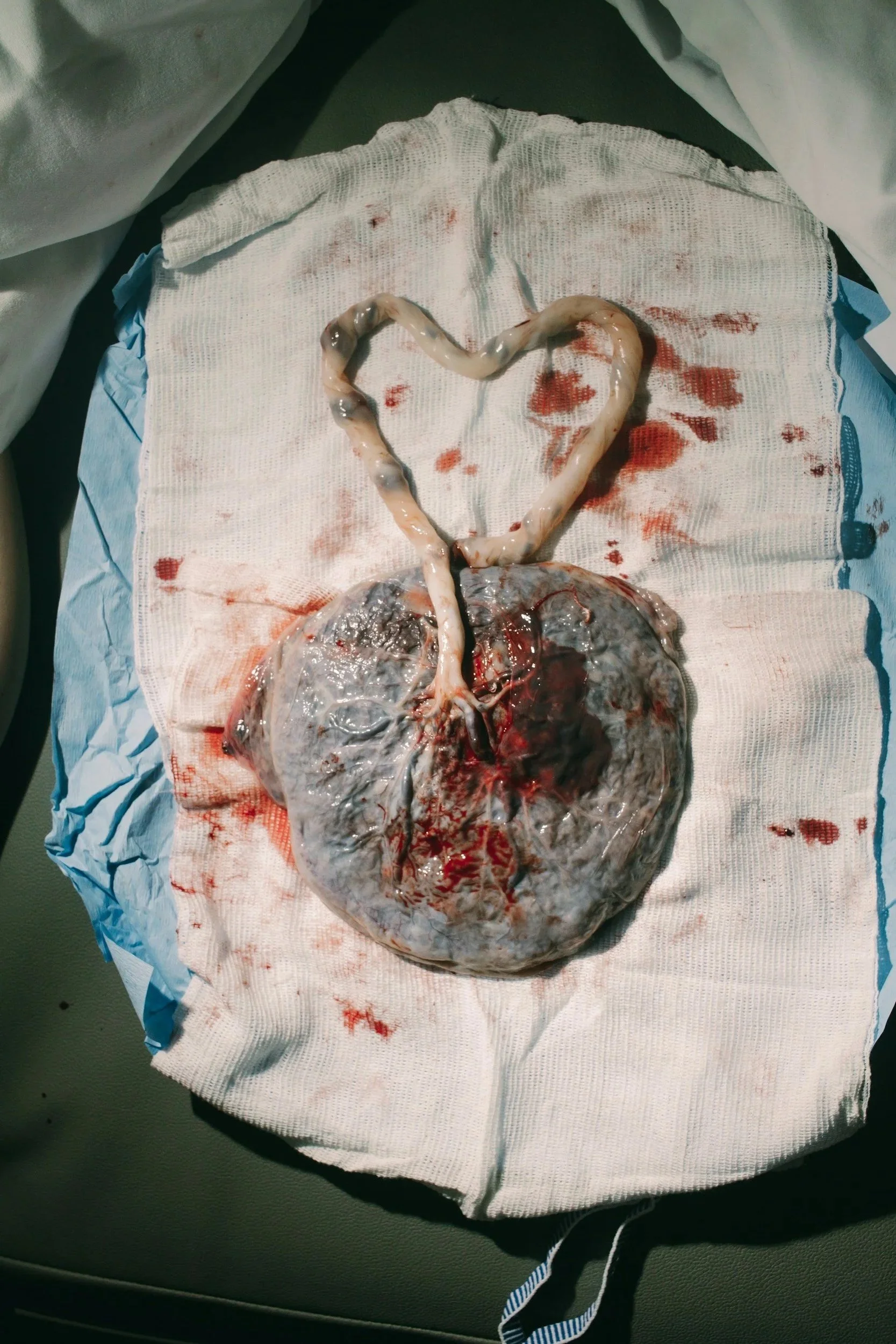
What is a Lotus Birth?
In simple terms, a Lotus Birth means leaving the umbilical cord entirely uncut after your baby is born. Instead of clamping and severing the cord within those first few minutes, your baby remains physically attached to the placenta until the cord dries up, hardens, and detaches completely on its own.
Depending on the humidity levels in your home (Ontario summers vs. dry winter heating can make a big difference here!) and your baby's unique physiology, this natural separation usually happens anywhere from 3 to 10 days postpartum.
Taking a Cue from Nature: Mammalian Habits
When we look at physiological birth, it’s always grounding to look at how other mammals handle this transition. Humans are actually one of the only land mammals that actively sever the umbilical cord to separate themselves from the placenta.
The Consumption Instinct: Most mammals—from your family dog to a cow in a pasture—instinctively consume the placenta immediately after birth (placentophagy). Evolutionary biologists tell us this serves two purposes: it gives the exhausted mother a massive, immediate hit of nutrients and hormones, and it clears away any scent of blood that might attract predators to her brand-new baby.
Our Primate Cousins: Primates are the fascinating exception. Jane Goodall famously documented that wild chimpanzees don’t chew, cut, or interfere with the cord at all. They carry the baby and the attached placenta together until it detaches entirely on its own—which is essentially nature's original lotus birth.
The Hard Evidence: Benefits vs. Risks
As much as we want to honor the beautiful, intuitive side of birth, we live in a world where clinical safety matters. If you are birthing in the GTA or Simcoe County, your midwives and OBs are going to look at this through a medical lens. Here is what the data actually tells us.
The Benefits (Where Science and Intuition Align)
Major health organizations worldwide, including the Society of Obstetricians and Gynaecologists of Canada (SOGC), strongly recommend Delayed Cord Clamping (DCC) for at least 60 seconds to a few minutes. Leaving the cord intact for those first few minutes allows up to 30% more of your baby’s blood volume to transfer from the placenta into their body. This heavily boosts their iron stores and makes their very first breaths much smoother.
Families who choose a Lotus Birth feel that keeping the cord attached extends this gentle transition. It's worth noting, though, that the cord typically stops pulsing and finishes transferring blood within about 5 to 10 minutes of birth. After that, the physiological transfer is complete.
The Risks (The Part We Need to Talk About)
Once the placenta is delivered, it is no longer attached to your womb, meaning it no longer has a blood supply keeping it alive. It becomes dead tissue. Because of this, medical and pediatric associations raise a few major red flags:
The Infection Factor: Stagnant blood in dead tissue can become a breeding ground for bacteria. If bacteria begin to colonize the placenta, they can travel down the intact cord directly into your newborn's bloodstream, potentially causing serious infections like omphalitis (umbilical infection) or neonatal sepsis.
A Lack of Studies: Right now, there are no large-scale, randomized controlled trials tracking the safety of keeping a baby attached to a placenta for multiple days. The medical community relies almost entirely on small case reports and qualitative reviews.
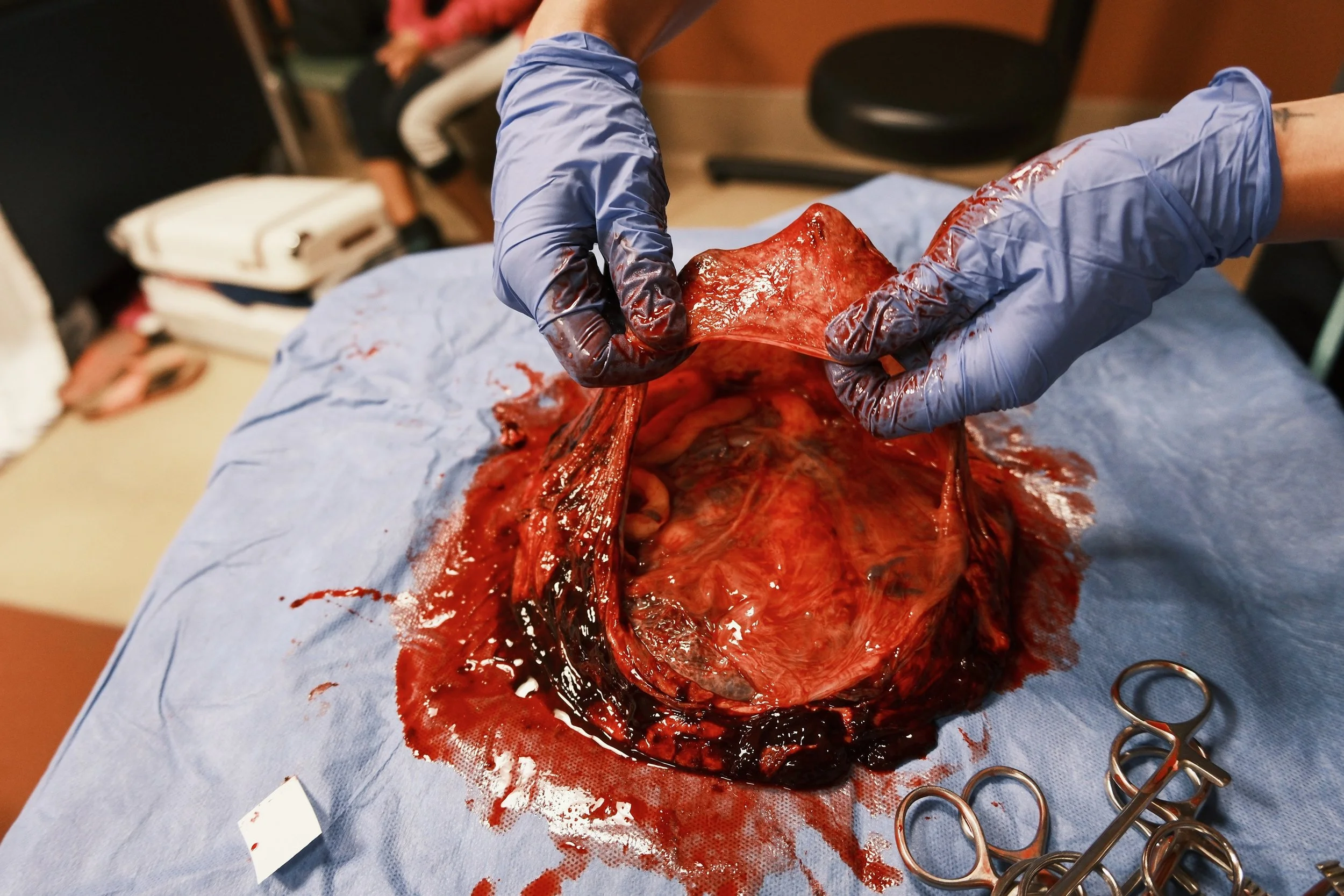
The Different Paths: Types of Lotus Birth
You don’t have to opt for an "all-or-nothing" approach. Parents usually tailor this practice to fit their comfort level and medical circumstances:
Full Lotus Birth: The cord is never cut. The placenta is gently rinsed, patted dry, treated with natural preservatives like sea salt and dried herbs (rosemary and lavender are common choices to manage moisture and scent), wrapped in a breathable cloth, and kept right beside the baby until it detaches.
Short-Term or Partial Lotus Birth: This is a wonderful middle ground. The cord is left completely intact through the entire "Golden Hour"—or until the placenta is delivered and finishes pulsing entirely. Once the full physiological blood transfer is done, the cord is cut cleanly with sterile instruments.
Cesarean Lotus Birth: Believe it or not, some incredibly progressive surgical teams in Toronto hospitals will accommodate this. The placenta is delivered during the C-section and placed in a sterile bowl or bag, remaining attached to the baby while the family initiates immediate skin-to-skin bonding in the recovery room.
The Emotional & Spiritual Landscape
For families who choose this path, the benefits aren't necessarily measured in a lab—they are felt.
The Postpartum Bubble: Because your baby is physically attached to a delicate placenta, you can't easily pass them around from guest to guest. It creates an automatic, sacred boundary. It forces a very slow, restful postpartum period where mom and baby stay tucked away in bed, bonding undisturbed.
Honouring the Twin: Many philosophies view the placenta not as medical waste to be discarded, but as the baby's spiritual "twin" that kept them alive for nine months. Allowing it to fall away naturally is seen as a gentle, non-violent way to let the baby say goodbye to their first home.
The Threads of Tradition: How Six Cultures View Umbilical Non-Severance
While the modern concept of a Lotus Birth was popularized in the West during the 1970s, keeping a newborn physically tied to their first home draws from ancient, ancestral wisdom. When we look across the globe, we see that the umbilical cord was rarely viewed as something to be abruptly severed; instead, it was treated as a sacred bridge between worlds.
In Bali, this bridge is viewed with profound spiritual duty. The Balinese believe the placenta is not medical waste, but the Ari-Ari—the physical form of the child's lifelong guardian angel. Because this guardian nurtured the baby in the womb, the cord is left intact during those early, tender moments of life, and the placenta is later enveloped in clean cloth, placed inside a protective coconut shell, and buried with deep reverence to safeguard the child's spirit.
Moving to the Aboriginal Australian Nations, several Indigenous communities traditionally practiced non-severance for a deeply emotional reason: spiritual pacing. They believed that a newborn shouldn't be suddenly shocked into the physical world. By leaving the cord intact, the baby was allowed to gently and gradually let go of their tie to the spirit world on their own time, ensuring a peaceful transition into earthbound life.
This same protection of early spiritual vitality is found in India's traditional yogic philosophies. Here, the umbilical cord is believed to be the primary channel for the baby’s Prana, or life-force energy. Elders taught that cutting the cord too abruptly or harshly disrupted the newborn's delicate nervous system and subtle energetic body, so leaving the cord untamed during the early days preserved their innate spiritual strength.
Even within Buddhism, the very language we use today—"Lotus Birth"—holds gorgeous iconographical meaning. The lotus flower is famous for emerging out of murky waters to bloom into something completely pure and unbroken. In this tradition, an intact baby, still resting beside their placenta, represents a holy child arriving into the world fully intact, honouring the complete, unhurried geometry of birth.
Interestingly, this practice isn't exclusive to Eastern or Indigenous spiritualities. If we look back at the diaries and medical records of early American pioneers traveling across the frontier, non-severance was occasionally practiced for a very gritty, practical reason. In an era before sterile medical tools and clean hospitals were accessible, leaving the cord attached for a few days was believed to shield the newborn from open-wound infections, serving as a protective barrier on the trail.
Finally, in the older traditions of the Maori of New Zealand, the early hours after birth were treated as a time of absolute stillness. The baby and the placenta were kept physically close and unhurried during the sacred "Golden Hour" of bonding. This allowed the physical and spiritual ties of the womb to ease naturally, ensuring the family could welcome the new life without any immediate external interference.
The Placenta as a Sacred Object: A Journey Across Six Civilizations
Even when the cord is eventually separated, cultures around the world have historically gone to beautiful lengths to honor the placenta itself.
For the Hmong people, the relationship with the placenta spans an entire lifetime—and beyond. The Hmong word for placenta literally translates to "jacket," viewed as the soul's very first and finest clothing. Following a birth, the placenta is carefully buried beneath the earthen floorboards of the family home. The Hmong believe that when a person eventually passes away at old age, their soul must embark on a massive journey all the way back to their birthplace to retrieve and put on their original "placenta jacket." Without it, they cannot safely cross the spiritual threshold to join their ancestors.
This literal connection to the earth is mirrored by the Maori, whose language beautifully illustrates their worldview. The Maori word for placenta is Whenua, which is the exact same word they use to describe the land. When a baby is born, the whenua is returned to the soil, buried deep within ancestral tribal lands. This act is meant to explicitly root and bind the child’s physical and spiritual identity to Mother Earth and their geographical heritage for the rest of their days.
Similarly, the Navajo Nation practices a deeply intentional burial of the placenta within the sacred four corners of their reservation. To shape the child’s destiny, parents will deliberately bury meaningful objects alongside it. A family might bury a traditional weaving tool for a daughter to invite a life of industrious creativity, or a book for a son to inspire a path of lifelong intelligence and leadership, forever embedding the child's potential into the landscape.
In Turkey, tradition holds that the final resting place of the placenta acts as a quiet prophecy for the child's character. Parents who wish for their child to grow up to be deeply spiritual, academic, or noble will bypass the backyard entirely. Instead, they will ceremonially bury the placenta in the inner courtyard of a local university or a community mosque, setting an energetic intention for the child’s future passions.
In Malaysia, the ritual takes on a beautiful domestic warmth. The placenta is gently prepared with natural elements like salt and tamarind, and then buried directly under the main threshold or doorway of the family home. Alongside it, parents bury pens, notebooks, and pencils. This serves a dual purpose: it ensures the child will always stay emotionally rooted to the warmth of their family, while clearing a path for them to grow up as a brilliant, hardworking student.
Lastly, the Igbo Tribe of Nigeria and Ghana look at the placenta through the lens of family structure, treating it as the quiet, stillborn twin of the living child. Because it is viewed as a sibling that sacrificed itself to keep the baby alive in the womb, it is granted full, sacred burial rites. It is laid to rest beneath the roots of a fruit-bearing tree, ensuring that the "twin's" spiritual energy continues to nourish the earth, directly tying the child’s life to the ongoing fertility of their community.
Bringing it Back Home to Ontario
If you are weighing these choices, the best thing you can do is have an open, honest conversation with your birth team.
With Midwives: If you are working with a midwifery clinic in Toronto, Barrie, or Collingwood, they are generally very comfortable navigating physiological birth preferences. They can help you set up a safe, hygienic protocol for monitoring the cord stump if you're planning a home birth.
With Hospital Staff: If you are birthing at a local hospital like Royal Victoria Regional Health Centre (Barrie) or Collingwood General & Marine, a full multi-day lotus birth might run into rigid hospital policies regarding biological tissues. However, you can absolutely advocate for an extended delay in cord clamping—waiting until the cord is entirely white, limp, and done pulsing—which completely honors your legal right to informed consent.
Whatever you choose, make sure it is a choice that makes you feel safe, grounded, and deeply supported in your birth space.
Evidence-Based Resources
If you want to read through the data yourself, here are the foundational books and clinical statements to look into:
Buckley, S. (2009). Gentle Birth, Gentle Mothering. Celestial Arts. (Excellent insights into the hormonal blueprints of undisturbed birth).
Rachana, S. (2000). Lotus Birth. International College of Spiritual Midwifery. (The primary text detailing the practical management and history of modern non-severance).
Society of Obstetricians and Gynaecologists of Canada (SOGC). Clinical Practice Guidelines on the Management of Delayed Cord Clamping.
World Health Organization (WHO). Guideline: Delayed Umbilical Cord Clamping for Improved Maternal and Infant Health and Nutrition Outcomes.
Gönenç, I. M., et al. (2019). Qualitative Study on the Experience of Lotus Birth. Journal of Obstetric, Gynecologic & Neonatal Nursing (JOGNN).