Childbirth & Labour
Preparation
Empowered birth begins with evidence-based knowledge and continuous support. Whether you are planning a hospital birth in Toronto, a home birth in Collingwood, or exploring birth centre care anywhere across Ontario, these guides break down the physiology, ethics, options, and practicalities of labour and delivery.
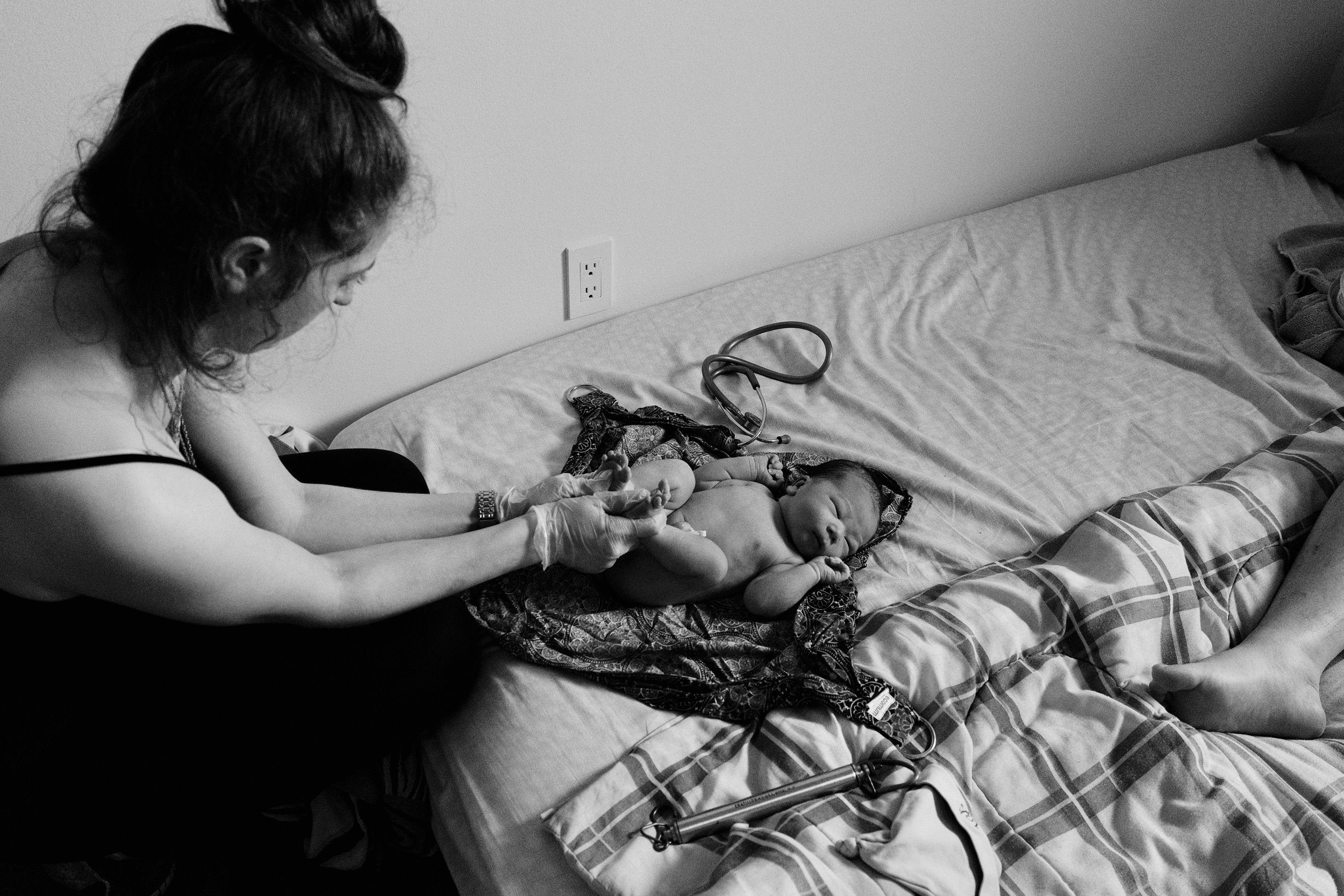
All posts are written by Leah Jackson, a Certified Childbirth Educator & Birth Doula of 10+ Years between Toronto, Collingwood, and other parts of Ontario. Leah is an advocate for informed-birth and mindful decision making to reduce violence and birth trauma for infants and parents.
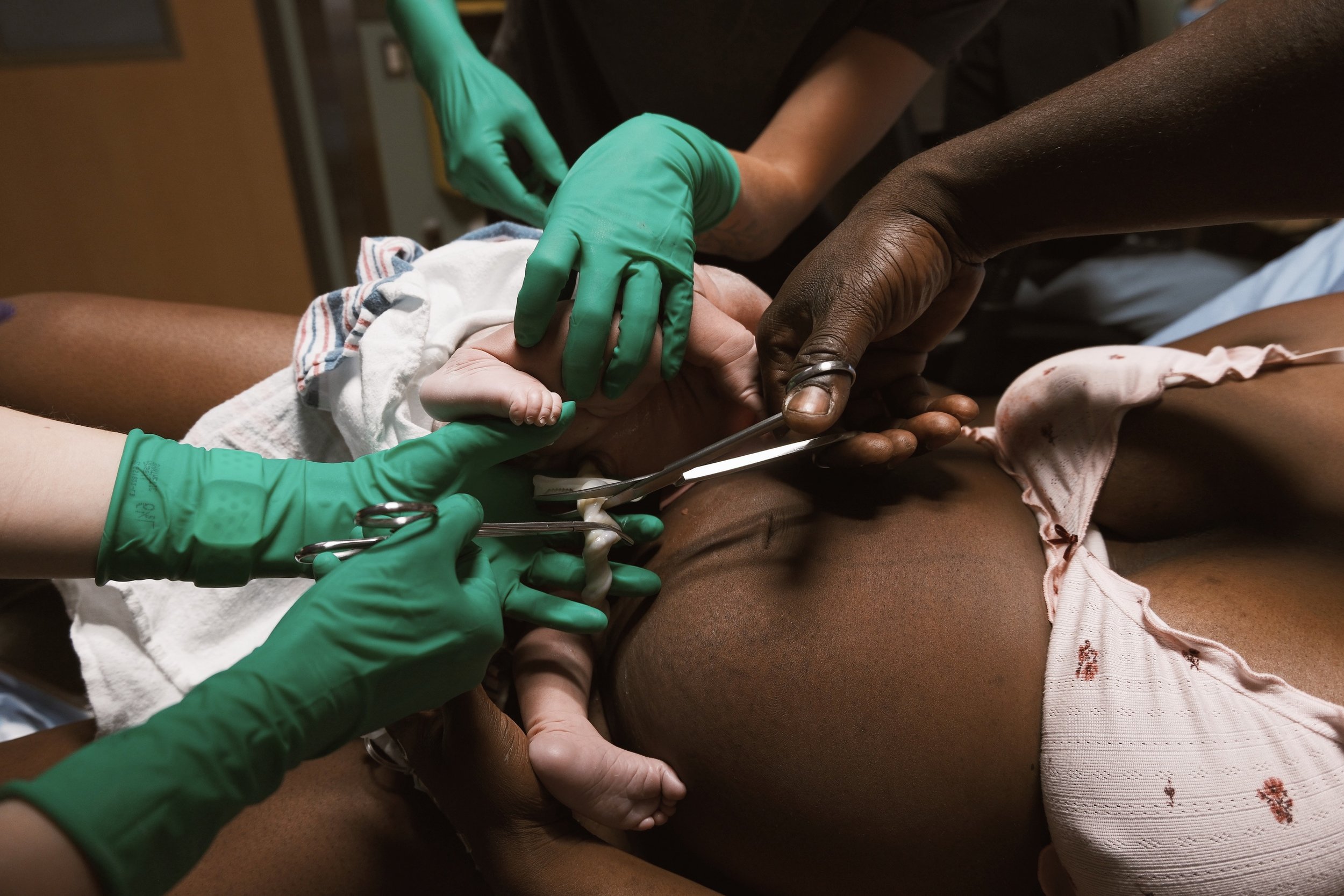
Browse our Educational Posts
Labour Induction in Ontario: Methods, Risks & Boosting Success Rates
What it covers: A clear breakdown of clinical induction in Ontario—including Foley catheters/cervical balloons, Prostin gels, Cervidil, Artificial Rupture of Membranes (A.R.O.M.), and Pitocin/Syntocinon drips.
Maximizing success: Practical strategies for supporting a smooth induction, including active positioning with peanut balls, epidural timing, keeping oxytocin high, and maintaining mobility with a telemetry monitor in Toronto and GTA hospitals.
Prenatal Testing Options & Costs in Ontario: OHIP vs. Out-of-Pocket
What it covers: A practical guide to first- and second-trimester screening options in Ontario, outlining what is fully covered by OHIP versus what requires out-of-pocket payment or private insurance.
Coverage breakdown:
OHIP-Covered: Enhanced First Trimester Screening (eFTS), routine anatomies/ultrasounds, maternal serum screening, and diagnostic NIPT (if specific medical risk criteria are met).
Out-of-Pocket / Private Insurance: Non-Invasive Prenatal Testing (NIPT via Harmony, Panorama, or Invitae - ranging $100–$500+ CAD) for low-risk individuals seeking early genetic insights or sex determination.
Vitamin K at Birth: Prophylaxis Options, Evidence & Informed Choice
What it covers: Everything parents need to know about Vitamin K deficiency bleeding (VKDB) and newborn prophylaxis guidelines endorsed by the Canadian Paediatric Society (CPS).
Options explored: Comparing the standard intramuscular (IM) Vitamin K injection administered shortly after birth with oral Vitamin K dosing regimens (and why oral requires strict adherence to multiple doses).
Pain Relief Options in Ontario: From Nitrous Oxide to Epidurals
What it covers: A complete roadmap of pain management options in Ontario hospitals—including hydrotherapy/tubs, TENS machines, Laughing Gas (Nitrous Oxide / Entonox), Narcotics (Fentanyl/Morphine), and Epidurals. Includes pros, cons, and timing considerations for each option.
An Unbiased Guide to Infant Circumcision: Medical Evidence, Ethics & Parental Choice
What it covers: A balanced, evidence-based reference detailing the history, cultural traditions, modern medical stance, and parental decision-making rights surrounding neonatal male circumcision in Ontario.
Key Insights:
Medical Position: The Canadian Paediatric Society (CPS) does not routinely recommend neonatal circumcision, noting that medical benefits do not outweigh risks/costs, while acknowledging minor risk reductions in UTIs and STIs.
Financial & Practical: Circumcision is considered an elective cosmetic procedure and is not covered by OHIP (typically costing $300–$600 CAD out-of-pocket in Ontario clinics).
Informed Consent & Ethics: Weighing medical risks (bleeding, infection, pain management) alongside cultural, religious, and bodily autonomy considerations.
COMING SOON
Informed Decision-Making & Ethics in Hospital vs. Home Birth
What it covers: Navigating informed consent, informed refusal, and ethical care in Ontario. We examine the differences in delivery models across Toronto academic hospitals, regional community hospitals, and rural care settings like Collingwood General and Marine Hospital.
The B.R.A.I.N. Framework: Using Benefits, Risks, Alternatives, Intuition, and Nothing ("What happens if we wait 30 minutes?") to make autonomous decisions alongside your midwife or OB-GYN.
The Hormones of Labour & Birth: Working with Your Body
What it covers: An in-depth guide to the "cocktail" of labour hormones—Oxytocin (the love and contraction hormone), Endorphins (nature’s pain relief), Beta-Endorphins, and Adrenaline/Noradrenaline (the fight-or-flight response).
Key takeaway: How to optimize your birth environment (low lighting, privacy, warmth, continuous doula care) in Toronto hospitals or home birth settings to keep oxytocin flowing and prevent adrenaline from stalling active labour.
Understanding the "Two-Step Delivery" Mechanism in Ontario Birthing
What it is: The physiological technique used by Ontario OB-GYNs, midwives, and family physicians during the second stage of labour (pushing) where the baby’s head is birthed on one contraction, followed by a brief pause to allow the shoulders to rotate naturally before the body is birthed on the next contraction.
Why it matters: Two-step delivery reduces the risk of perineal tearing and shoulder dystocia by letting natural physiological rotation happen rather than pulling or rushing.
The Reflexes of Being Born: Primitive & Fetal Movement in Labour
What it covers: Newborns aren't passive during birth—they are active participants. This post explores the primitive and fetal reflexes (such as the Galant reflex, tonic neck reflex, and the natural crawling/rooting reflex) that assist the baby in navigating the pelvic brim and outlet.
Why read this: Understanding how fetal positioning and baby reflexes work together gives parents insight into spinning babies techniques, pelvic mobility during labour, and immediate post-birth skin-to-skin bonding.
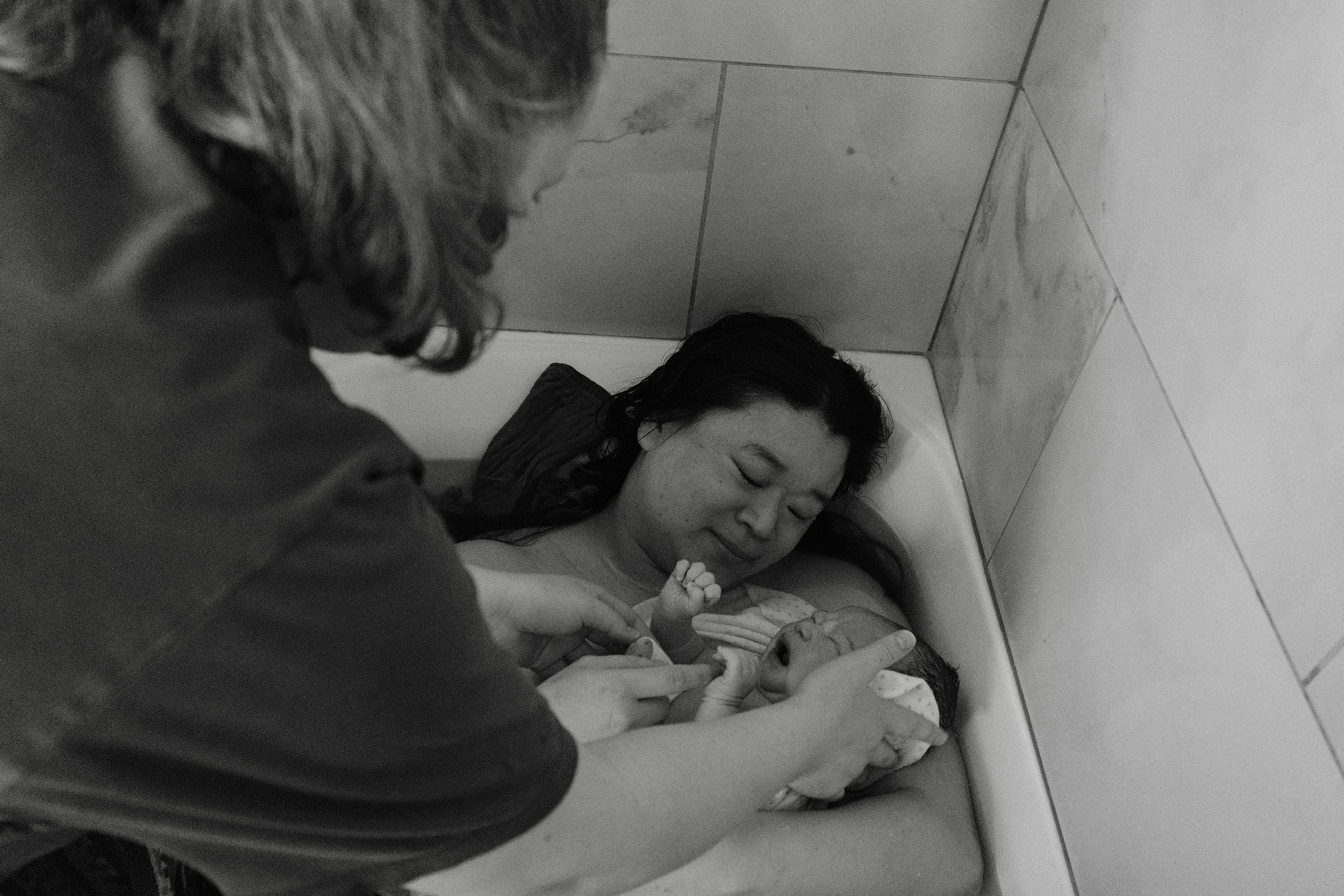
Freebirth in Ontario: Unassisted Birth, Rights, and Addressing Obstetric Trauma
What it covers: A compassionate, non-judgmental examination of "Freebirth" (intentional unassisted childbirth without a regulated health provider) in Ontario.
Understanding the root cause: Why an increasing number of birthing parents are choosing unassisted birth due to fear, previous obstetric violence, or systemic trauma within healthcare. This article reviews patient rights, emergency protocols, and how doulas navigate boundary care and trauma-informed advocacy within legal frameworks in Ontario.
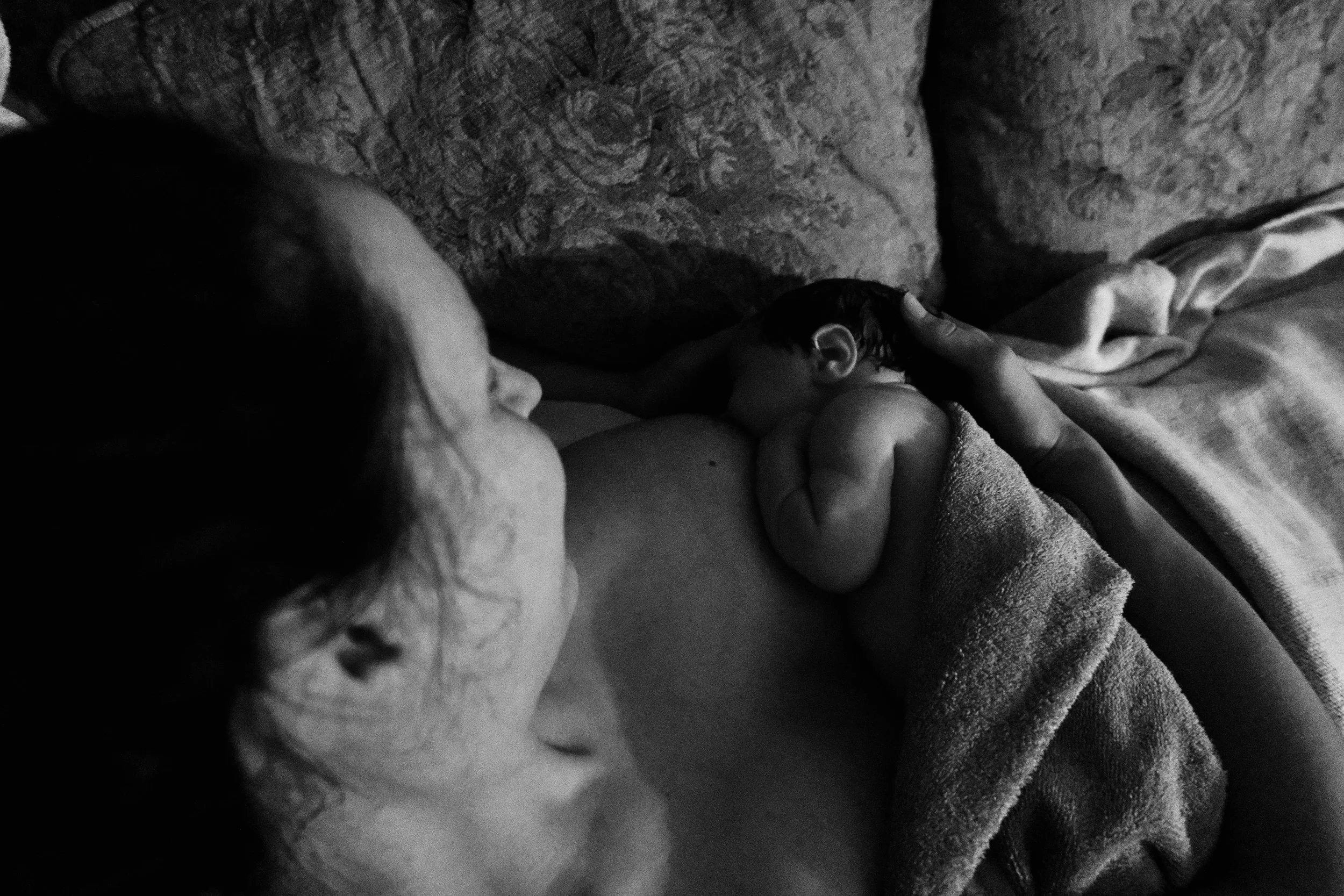
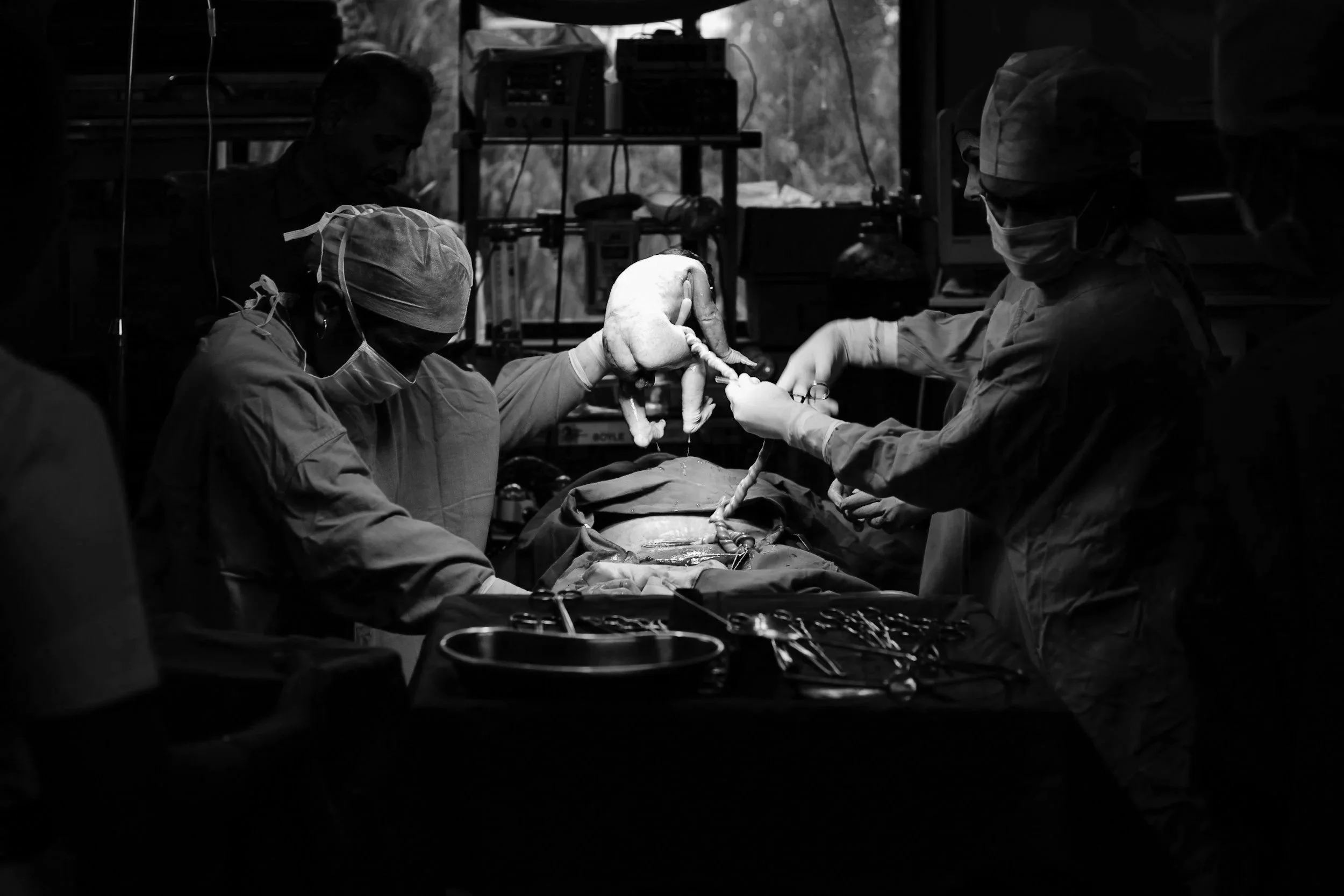
Unexpected Cesarean Section: Practical Recovery, Logistics & Emotional Support
What it covers: Navigating an unplanned or emergency C-section in Toronto and GTA maternity wards with confidence and dignity.
What to expect: What happens in the operating room, maintaining skin-to-skin contact in theatre, gentle/family-centered C-section options, scar care, pain management, and physical logistics (driving, lifting, stair navigation) during the 6-week recovery window at home.