The Mindful Guide to Giving Birth at Mount Sinai Hospital Toronto
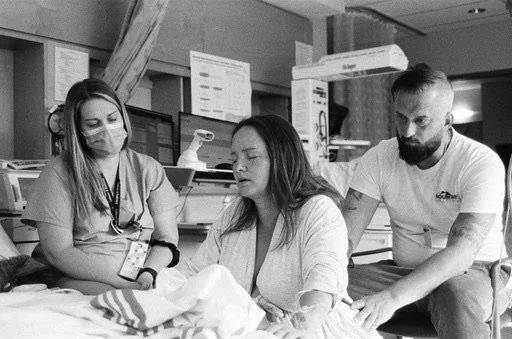
You’ve confirmed your care with a downtown OB or the Midwives Collective of Toronto, packed your hospital bag, and know that your birth story will unfold at 600 University Avenue. But as your due date approaches, looking at the massive, institutional walls of Mount Sinai Hospital can bring up a familiar wave of anxiety.
It is completely normal to wonder: How do I protect my birth plan in a busy teaching hospital? Can I maintain a calm, mindful, and centred space under clinical fluorescent lights? Will my choices be respected if the unit is short-staffed?
As an experienced Toronto birth doula, I have spent a decade walking through the doors of Mount Sinai's 15th-floor Labour and Delivery unit. I know the rhythm of the floor, how to use hydrotherapy in hospital and navigate positioning a peanut ball. You do not have to leave your hopes for a deeply connected, autonomous birth at the hospital doors. Let’s pull back the curtain on what giving birth at Mount Sinai really looks like, and how you can navigate the system with confidence and peace.
Navigating the 15th Floor: What the Hospital Tour Doesn't Tell You
Mount Sinai is a world-class medical facility, but it is also an incredibly busy urban health hub. Navigating it smoothly requires knowing how the infrastructure impacts your emotional well-being.
The Triage Gatekeeper
Your journey begins on the 15th floor by the University Avenue elevators. Before you get a private labour room, you must pass through Triage. This area can feel highly clinical and sometimes rushed.
The Mindful Shift: Triage only allows one dedicated support person to stay with you. If you are working with a doula and a partner, your doula will typically wait right outside the doors until you are formally admitted to a private birthing suite. Use this waiting period to lean into your deep breathing and grounding practices—remembering that triage is just a brief transition point, not your final birth space.
The Medical Infrastructure & Monitoring
Because it is a teaching hospital, you will encounter a rotating team of nurses, residents, and staff physicians.
Protecting Your Autonomy: Mount Sinai’s standard policies support evidence-based practices like delayed cord clamping (usually for one minute) and immediate skin-to-skin contact. However, routine continuous fetal monitoring is frequently suggested. If you desire a active, mobile labour—using birth balls, swaying, or walking the corridors—your doula can help you request intermittent auscultation (listening to the baby’s heart at intervals) or wireless telemetry monitors, keeping you moving freely.
The Private Birth Suites & Hydrotherapy
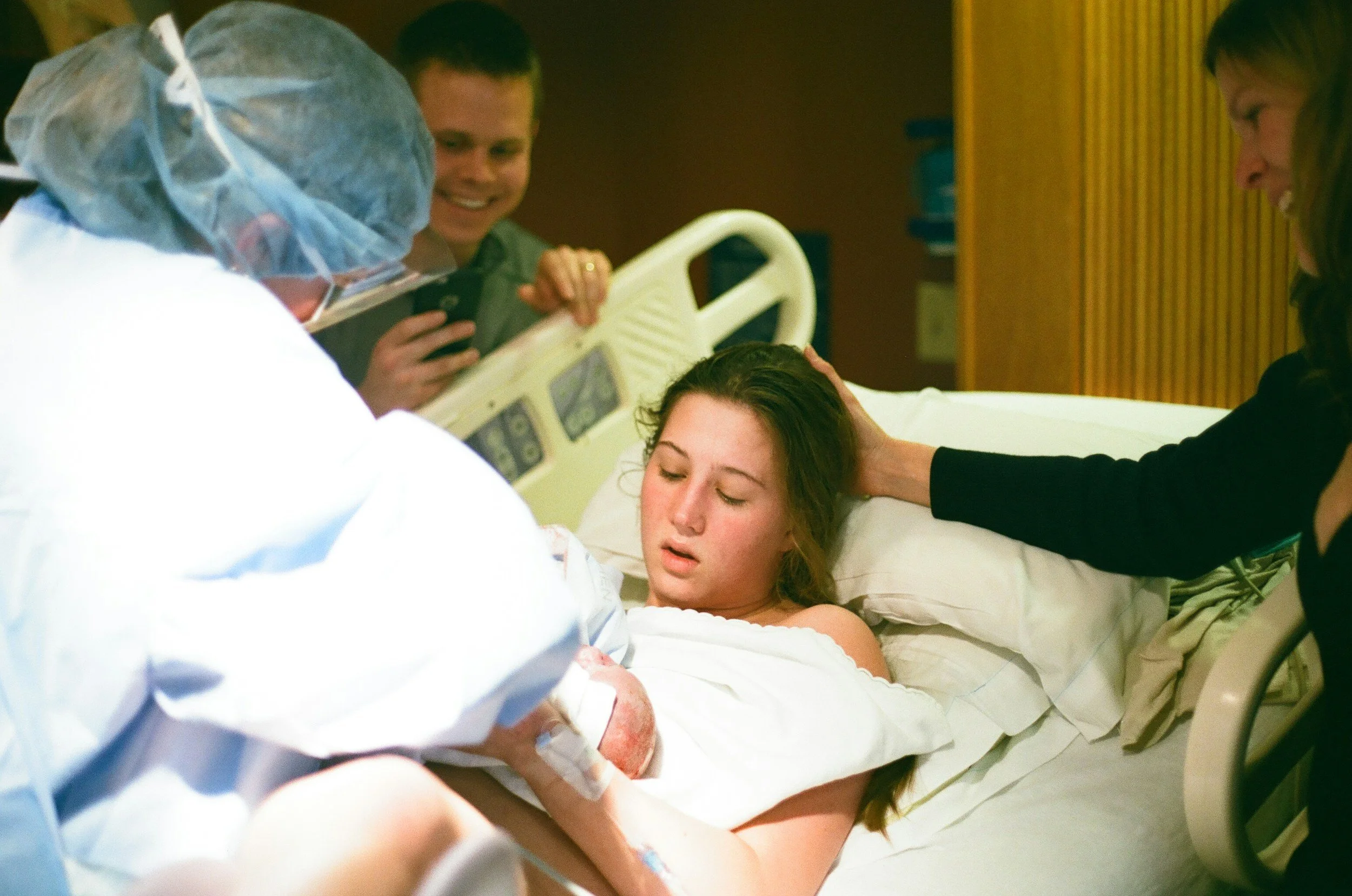
Once admitted, you move into a private Labour and Delivery room. The nurse-to-patient ratio here is highly attentive, usually 1:1.
The Hidden Gem: Mount Sinai has private labour rooms equipped with spacious showers and deep soaking tubs for water therapy. While you cannot have an explicit underwater delivery at Mount Sinai (which is reserved for home births or the Toronto Birth Centre), utilizing the warm water during your active labour is one of the most powerful tools for down-regulating your nervous system and managing intense contractions.

Words from a Mount Sinai Parent
"I was terrified that giving birth at a major downtown hospital meant I would just be a number on a chart. When my labour at Mount Sinai threw us a curveball and required an oxytocin induction, my doula helped us not to stress. She dimmed the room lights, played ambient tracks, and reminded me how to breathe through the intensity. The nurses were incredibly respectful because we knew how to communicate our preferences clearly and calmly. I felt I maintained calm and control despite the intensity of my experience." — Maya S., Toronto (Leslieville)
Bringing Mindful Sprouts Into Your Mount Sinai Birth Story
You deserve a birth support team that knows the hallways of Mount Sinai as well as they know the physiology of a calm labour. When we work together, I don't just show up when it's time to push. We build your confidence from the ground up during your pregnancy.
Our premium Base Birth Doula Package ($2,475 + HST) is meticulously customized for families birthing in Toronto’s medical systems:
In-Home Childbirth Preparation (3 Hours): A private session where we break down the exact logistics of a hospital birth, practice physical comfort measures, and master specific mindfulness and vocalization tools.
Custom Hospital Navigation Strategy: We map out your exact birth choices specifically tailored to Mount Sinai’s policies, ensuring you and your partner know how to use the B.R.A.I.N. framework (Benefits, Risks, Alternatives, Intuition, Next Steps) during clinical discussions.
On-Call & Continuous Labour Support: Complete physical and emotional advocacy from the moment active labour begins—whether at home in early labour or straight into the 15th-floor triage—lasting up to 12 hours of in-person care.
Complimentary Professional Birth Photography: Captured using a quiet, documentary style with soft, film-style tones, ensuring the raw strength, quiet glances, and first moments with your newborn are preserved forever without interrupting your sacred space.
Equity Discount: In keeping with my core values, I proudly offer a 10% discount on all birth packages for self-identified LGBTQ+ and BIPOC families navigating our local healthcare systems.
Secure Calm Advocacy for Your Birth Day
Because I provide deeply focused, high-end care and continuous availability to my clients, I only accept a strictly limited number of due dates each month. Families in the downtown core frequently book out their spaces early in their first or second trimester.
Let's ensure your birth at Mount Sinai is defined by peaceful autonomy, expert advocacy, and deep emotional safety.
Ready to connect? Contact us to book your free 30-minute Toronto birth consultation.
Documenting the Raw Beauty:
Mount Sinai Birth Photography
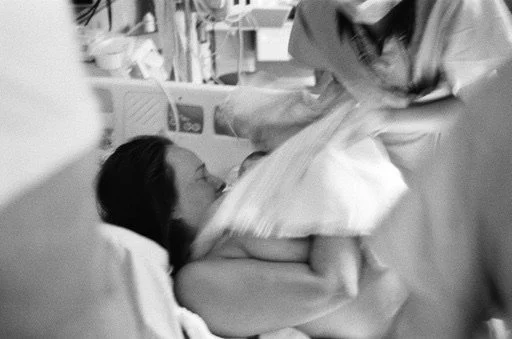
The 15th floor of Mount Sinai is filled with brilliant clinicians, monitors, and medical data—but your birth story isn't a medical event. It is a profound, life-altering family milestone.
Many parents want to preserve the memory of the quiet glances, the strength of labour, and the breathtaking moment they meet their baby, but they don't want a traditional photographer disrupting their sacred space. They also don't want their partner stuck behind a smartphone screen missed out on the actual experience.