The Partner's Guide to Water Birth: How to Be the Ultimate "Keeper of the Water"
If your partner is planning a home water birth, congratulations! You are about to witness an incredibly empowering, transformative event. But while the labouring parent is riding the waves of contractions, your role as the birth partner or support person is absolutely pivotal. You aren’t just a bystander—you are the logistics manager, the guardian of the birth sanctuary, and the ultimate "Keeper of the Water."
From managing water temperatures to keeping your partner grounded, this comprehensive guide provides the exact playbook you need to confidently support a home water birth in Ontario.
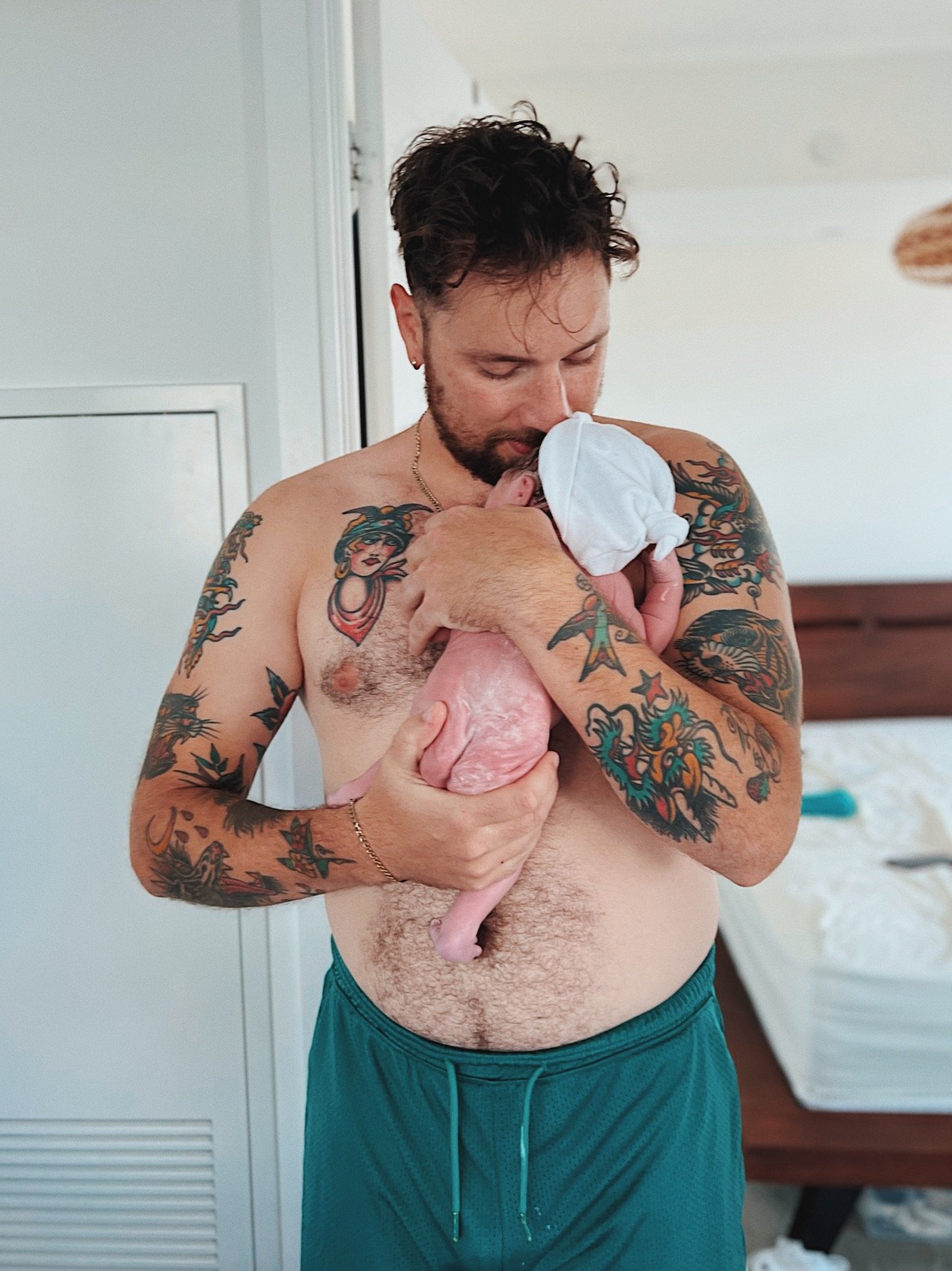
Steps to Success for Partner’s at Home Waterbirths
1. The Pre-Labour Water Birth Checklist (Weeks 37+)
Before active labour begins, you want all the heavy lifting out of the way. Do a complete dry run of the equipment listed in your main kit checklist—such as the one found in the Birth Pool Equipment Checklist 2026.pdf—so there are no surprises when the big day arrives.
Test the Faucet Adapters Early: Do not skip this step. Go to the exact sink or shower faucet you plan to use to fill the pool. Test the brass, chrome, or universal rubber adapters to ensure they fit your specific Canadian plumbing fixtures perfectly.
Locate Your Power Sources: Identify exactly where you will plug in the electric air pump (for inflating) and the submersible drainage pump (for draining). Ensure the cords reach safely without creating a tripping hazard near the water.
Protect Your Home's Flooring: Lay down heavy-duty plastic tarps or sheeting where the pool will sit. Create a clear, tarped pathway from the birth pool to the bathroom to catch drips when your partner steps out of the tub.
Prep Your Personal Support Gear: Pack a dedicated bag for yourself. Include swimwear (in case you get into the tub to offer physical support), a full change of dry clothes, snacks, and comfortable shoes or sandals that can get wet.
2. Setting Up the Birth Sanctuary (When Active Labour Begins)
When your midwife or doula confirms it is time to start filling the tub, your operational role officially begins.
Step 1: Inflate and Line the Pool
Use the electric air pump to inflate the birth pool (such as the Birth-Pool-In-A-Box-Eco). Once it is sturdy and fully inflated, smooth the disposable, food-grade pool liner over the interior.
Partner Pro-Tip: Ensuring the liner is smooth and free of major wrinkles makes it much more comfortable for the birthing parent to kneel, sit, and move around during labour.
Step 2: The Water Fill-Up Process
Connect your brand-new, lead-free drinking water hose to the pre-tested faucet adapter and start filling the tub.
Time Management: Filling a large birth pool can take anywhere from 45 minutes to 2 hours depending on your home's water pressure and hot water tank capacity.
Tank Monitoring: Keep a close eye on your home's hot water supply so you don’t run out of warm water halfway through the fill-up.
Step 3: Set the Sensory Environment
Dim the harsh overhead lights. Set up your waterproof fairy lights or battery-operated LED candles around the room to create a soft, warm, relaxing glow. Hang up your partner’s laminated birth affirmations where they can easily read them from the water
3. Active Labour: Managing the Birth Pool Environment
Once your partner is relaxing in the water, your primary job shifts to monitoring safety parameters and protecting their peace.
Guard the Temperature: Keep a close eye on the floating bath thermometer. For safety, the water must stay between 35°C and 37.5°C (95°F to 99.5°F), and it should never exceed 38°C (100°F). If it starts to cool down, use your submersible drainage pump to remove a few inches of water, and top it up with fresh hot water from the hose.
PDF+ 1
Keep the Pool Water Clear: Labour is beautiful, natural, and inherently messy. Keep your fine-mesh stainless steel strainer and a dedicated debris bucket right next to the pool. Use the strainer to quickly and quietly scoop out any debris or clots so the water stays clean for the baby’s arrival.
PDF+ 1
Hydration is Critical: The warm water will cause your partner to sweat, even if they don't realize it. Every 15 to 20 minutes, offer coconut water, electrolyte drinks, or chilled water. Always use a cup with a long, flexible strawso they can drink effortlessly without having to shift out of a comfortable labour position.
Comfort Tools: Keep a large plastic pitcher or cup nearby. This is a fantastic tool for gently pouring warm birth water over your partner's lower back or shoulders during intense surges.
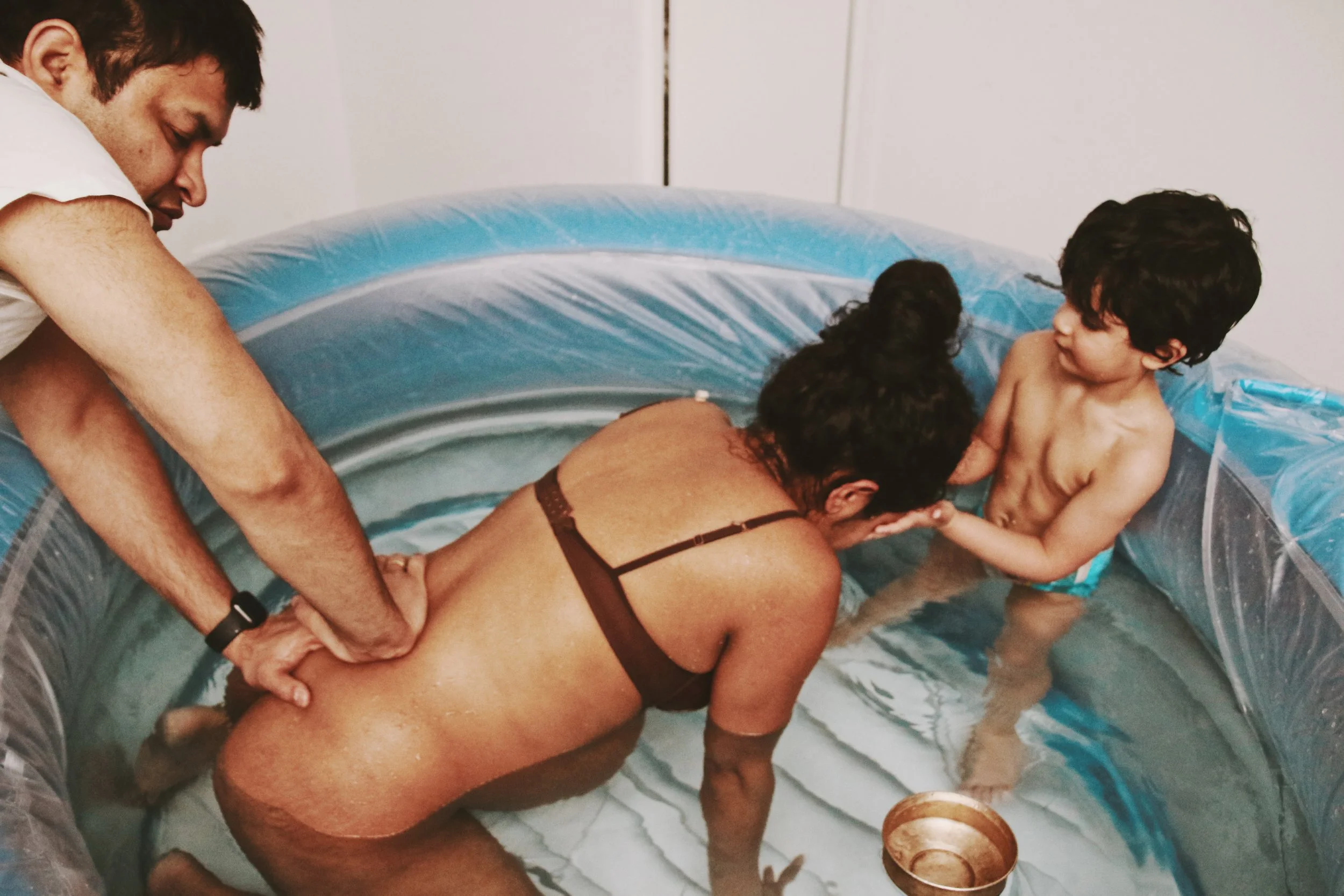
4. Emotional and Physical Support Positions for Partners
While the water does an incredible job of providing buoyancy and natural pain relief, your physical presence provides the emotional anchor your partner needs to feel safe and secure.
The "Anchor" Position (Sitting Behind)
Sit on a sturdy chair right behind the pool or kneel directly behind the rim. Let your partner lean back against your chest between contractions. This allows them to completely surrender their body weight, rest, and float while you whisper continuous encouragement.
The "Counter-Pressure" Position (Facing the Tub)
If your partner is kneeling in the pool and leaning over the reinforced side walls, kneel on a padded cushion outside the tub facing them. Securely hold their hands during a surge, apply firm counter-pressure to their lower back if they experience back labour, or use a cool washcloth on their forehead to help them regulate their temperature.
5. Postpartum, Draining, and Effortless Cleanup
The baby has arrived, the room is filled with joy, and your partner is bonding skin-to-skin. While the medical team focuses on clinical postpartum care, you can handle the final logistics.
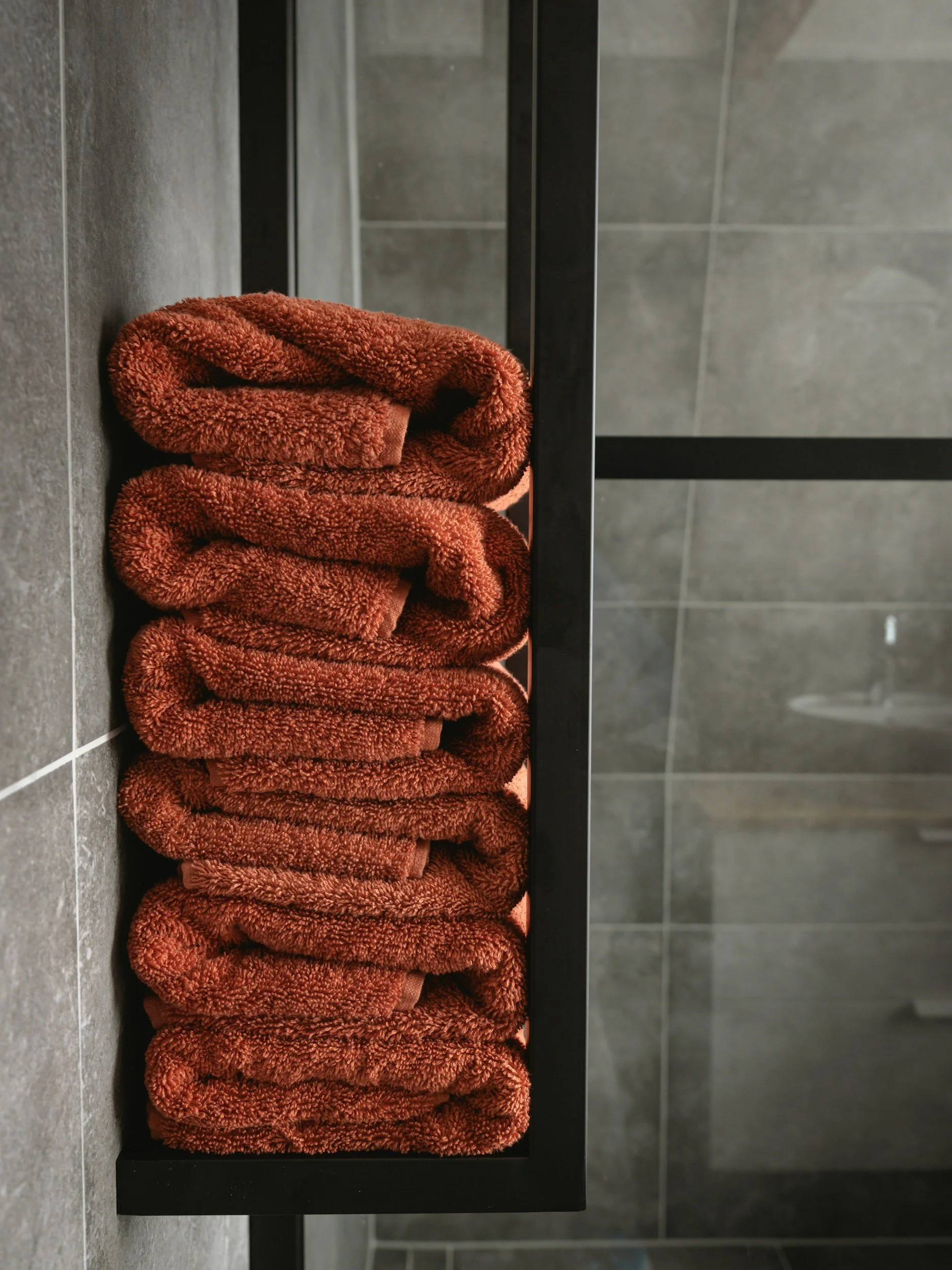
The Warm Transition: Have a mountain of dark, plush, clean towels ready the moment your partner prepares to exit the pool. Wrap both parent and baby warmly to prevent chills.
Drain the Pool Hands-Free: Drop the submersible water pump into the pool and run the drainage hose directly into the nearest toilet or drain. It will empty the tub in minutes, completely hands-free.
Dispose and Pack Away: Once empty, gather the disposable pool liner, wrap it up carefully with any single-use items, and throw it in the trash. Wipe down the structural inflatable pool with a body-safe disinfectant, let it dry completely, and pack it safely back into its storage bag.
Home Water Birth Support in Toronto & Ontario: Partner FAQ
-
Using a high-quality submersible water drainage pump, it takes roughly 15 to 30 minutes to completely empty a standard birth pool into a nearby toilet or drain.
-
This is a very common issue in older Toronto homes, townhouses, and condos! If your hot water tank runs out before the pool is filled to a safe level, don't panic. Boil water on the stove using large stockpots or electric kettles, and carefully pour the boiling water into the pool—well away from your partner—stirring it thoroughly to distribute the heat evenly until you reach the target temperature of 36.5°C to 37.5°C.
-
Many partners worry that hiring a doula means they will be replaced. In reality, a professional birth doula is there to support you just as much as the birthing parent. At Mindful Sprouts Family Services, we guide partners through the exact logistics of home water births across Toronto and the Greater Toronto Region. We take care of checking the water thermometer, managing the pumps, and fetching fresh supplies so that you can stay completely focused on what matters most: being emotionally present and holding your partner's hand.
-
If you are planning a home water birth in Ontario, Mindful Sprouts Family Services provides comprehensive, hands-on doula support, prenatal education, and waterbirth preparation. We serve families across the Greater Toronto Area (including neighbourhoods like Little Portugal, High Park, and the West End), Etobicoke, North York, Orangeville, as well as the Southern Georgian Bay area (including Barrie, Collingwood, and Muskoka). Contact us today to learn how we can help you set up a safe, peaceful, and empowering home birth sanctuary.
-
It is highly recommended to do a partial test inflation around your 37th week of pregnancy to check for any manufacturing defects or missing pieces. For the actual birth setup, you should inflate the structural pool (such as the Birth-Pool-In-A-Box-Eco) as soon as your partner enters early labour and contractions become noticeable. This keeps you busy, ensures the pool is structurally ready, and allows you to easily fit the disposable liner before active labour kicks in. However, do not fill the pool with water until your midwife or doula explicitly tells you to, as water that sits for too long will cool down and can become a breeding ground for bacteria.