The Second Night Syndrome Survival Guide: Navigating Your Newborn’s First Major Milestone
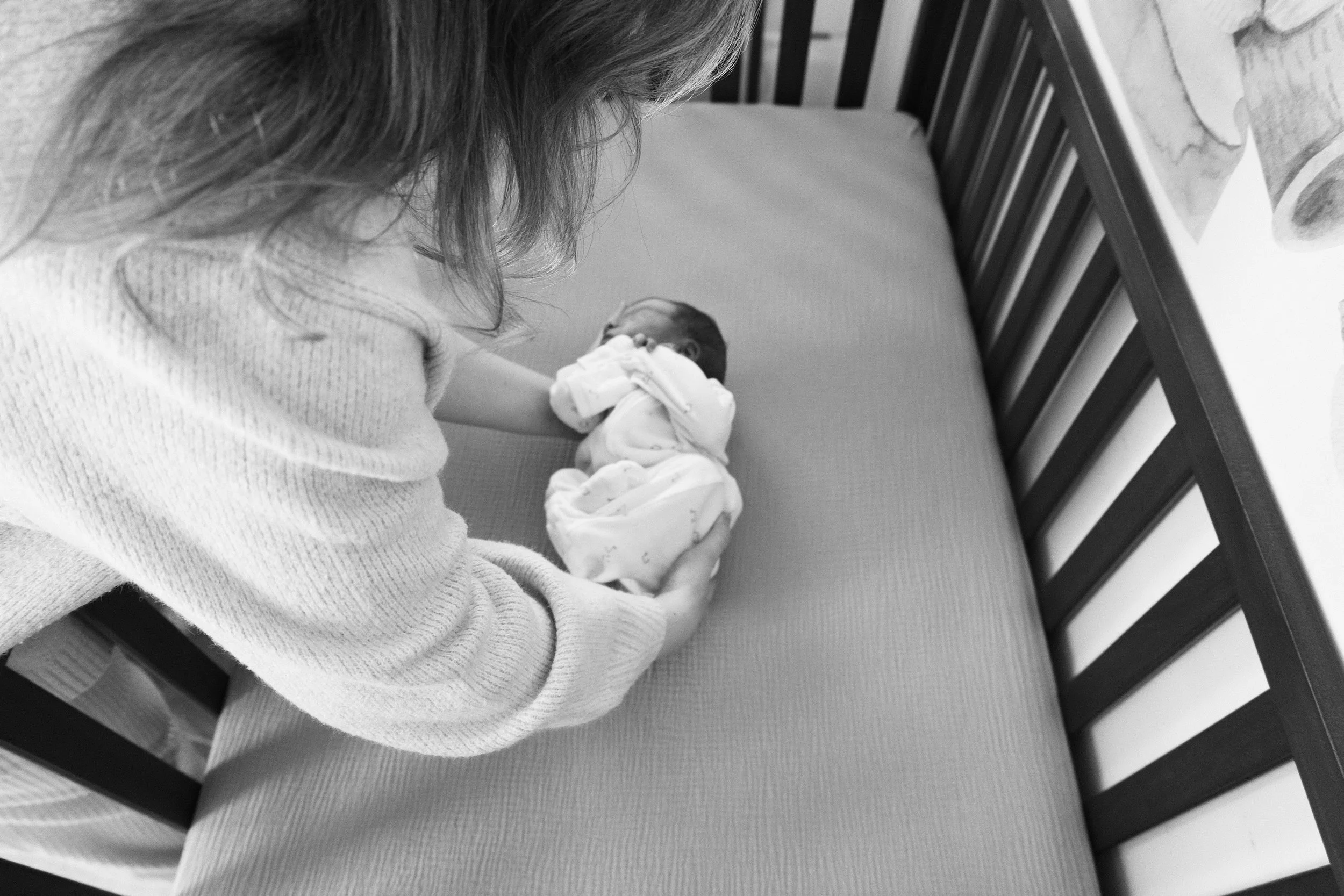
It is 3:00 AM on your second full night at home or in your room at Mount Sinai Hospital. Just twenty-four hours ago, your newborn was a peaceful, sleepy angel who slept soundly in their bassinet. But tonight, everything has changed.
The moment you lay your baby down, they wake up screaming. They are rooting, fussing, and demanding to latch onto the breast or bottle non-stop. You’ve changed their diaper, checked their temperature, and tried rocking them, but nothing works except continuous feeding. You look at your partner with tears in your eyes, wondering: Is my baby starving? Is my milk supply completely failing? Did I break my baby already?
Take a deep breath. You haven’t broken your baby, and your body is not failing. You have just run headfirst into a completely normal, biologically hardwired developmental milestone known to birth professionals as Second Night Syndrome.
Let's demystify exactly what is happening inside your baby’s body tonight, why this behavior is a sign of a perfectly healthy infant, and how you can survive the 3:00 AM panic with your sanity intact.

The Biological Reality: What is Happening on Night Two?
To understand why your baby is acting like a tiny, inconsolable vampire tonight, we have to look at the world from their perspective.
TimelineThe Baby's Internal StateThe Parental RealityThe First 24 HoursThe Womb Recovery: Baby is exhausted from the hormonal surge of labor. They sleep deeply, recovering from birth adrenaline.Parents think, "Wow, we got a naturally easy sleeper! This parenting thing is a breeze."The Second 24 HoursThe Sensory Awakening: The birth hormones completely clear out. Baby suddenly realizes they are no longer in a warm, dark, squishy womb. The world feels cold, vast, loud, and terrifying.Second Night Syndrome: Baby panics when separated from your skin and demands constant physical reassurance.
The False Alarm of "No Milk"
The number one reason parents panic on night two is the fear that their baby is starving because the lactating parent's mature milk hasn't "come in" yet.
Tonight, your breasts are producing colostrum—a highly concentrated, thick liquid gold packed with antibodies and nutrients. Your baby’s stomach is currently only the size of a marble (holding about 5 to 7 milliliters per feeding). They do not need massive ounces of milk right now.
So why are they cluster feeding (nursing every 20 to 30 minutes) if their stomach is full? It is a evolutionary design.Your baby is biologically programmed to nurse continuously on night two to send a powerful hormonal signal to your brain. This intense, non-stop stimulation is exactly what tells your body to transition from colostrum to a full, abundant mature milk supply over the next 24 to 48 hours. Tonight is structural teamwork between you and your baby.

Your 3:00 AM Survival Toolkit
When you are deep in the trenches of Second Night Syndrome, trying to fight nature will only lead to exhaustion and tears. Instead, lean entirely into the shift using these four steps.
THE NIGHT TWO SURVIVAL CHECKLIST
[ STEP 1 ]
Strip down for total skin-to-skin. This regulates baby's heart rate & cortisol.
[ STEP 2 ]
Ditch the bassinet rules tonight. Hold or chest-sleep under direct partner supervision.
[ STEP 3 ]
Set up a hydration & snack station. Keep high-calorie bites within arm's reach of your feeding nest.
[ STEP 4 ]
Clock out into shifts. Partner takes a 3-hour soothing shift so the nursing parent can sleep.
Embrace Total Skin-to-Skin Contact
Stop trying to force the bassinet if it causes an immediate meltdown. Strip your baby down to their diaper and place them directly onto your bare chest, throwing a warm blanket over their back. Skin-to-skin contact instantly stabilizes a newborn’s heart rate, regulates their blood sugar, lowers their stress hormones, and encourages efficient feeding.
2. Set Up a Relayer Shift System
If you are nursing, your partner cannot feed the baby tonight—but they are essential to your survival. Work in tag teams:
The Nursing Parent's Role: Focus entirely on resting, hydrating, and letting the baby latch as often as they need.
The Partner's Role: Manage everything else. Change the diapers, burp the baby after the feed, soothe them with a finger to suck on for 20 minutes so the nursing parent can close their eyes, and bring snacks and water.
3. Change Your Visual Environment
Harsh overhead bedroom lights signal to your brain that it's time to be awake and anxious. Keep the room dark. Turn on a soft, warm salt lamp or let the bathroom light leak into the hallway. Put on a comforting, grounding podcast or your favorite ambient music track to keep your nervous system co-regulated with your baby's.

Creating Your Postpartum Safety Net: How a Night Doula Protects Your Sanity
Second Night Syndrome is a beautiful, necessary biological event—but it is also a massive catalyst for acute parental sleep deprivation, which is the primary trigger for postpartum anxiety and depression. You do not have to white-knuckle these intense structural shifts alone.
This is exactly why families across Toronto secure Overnight Postpartum Doula Support.
When I enter your home for an overnight shift (typically 9:00 PM to 6 :00 AM), the entire energy of your household shifts. I handle the logistics of the fourth trimester so you can focus entirely on healing:
For Breastfeeding Babies: I stay awake with your baby. When they signal for a cluster feed, I bring them directly to you in bed so you can nurse in a side-lying position without fully waking up. The moment they are done, I take the baby, burp them, change them, soothe them through their night-two transitions, and get them back to sleep while you return instantly to deep, restorative rest.
For Formula or Combo-Feeding Babies: You stay asleep in your bedroom with the door closed. I manage the entire night’s feeding schedule, bottle sterilization, pacing, and infant soothing, ensuring you get a continuous, uninterrupted 8-hour stretch of sleep.
Maternal Mental Health Checks & Guidance: Beyond basic infant care, I monitor your physical healing, hold space for the complex emotions of the early postpartum days, and provide real-time, evidence-based education on infant sleep biology and soothing techniques.
Secure Your Peace of Mind for the Fourth Trimester
The first week at home with a newborn is an exquisite, tender, and incredibly challenging blur. Securing an expert postpartum advocate ensures that milestones like Second Night Syndrome are met with calm confidence instead of exhaustion and fear.
Our premium Overnight Postpartum Care Packages are highly sought after by professionals in the GTA and book out months in advance of estimated due dates. Let's ensure your transition home is beautifully supported.
Want to protect your sleep? Book your free postpartum support consultation.